






![[?????]](../websitetranslator/images/flag_ar.gif)


 FREE Garden Journal!! VAPAA Puutarha lehti!Join "Garden Notes" and plan for Harvest Success as you track and record your gardening progress. Your Free Personal Garden Journal has pages for jotting down notes on the seeds you start, your new plantings, when you fertilized, and even a graph to plot a new garden. Liity "Puutarha toteaa," ja suunnitelman Harvest menestystä voit seurata ja tallentaa puutarhanhoito kehitykseen. Ilmainen Henkilökohtaiset Puutarha lehdessä on sivuja muistiinpano alas muistiinpanoja siemeniä, kun käynnistät, uudet istutukset, kun hedelmöittää, ja jopa kaavion tontti uusi puutarha. | ||
Home :: Reading Room :: Organic Gardening Tips :: Newsletter :: Reminders :: Nursery Etusivu:: Reading Room:: Luonnonmukainen puutarhanhoito Vihjeitä:: Newsletter:: Muistutukset:: Lastenhuone Sustainable Gardening | Trees & Shrubs | Flowers | Composting | Soil | Tools | Books | Kestävä Puutarhanhoito | Puut ja Pensaat | Kukat | Kompostointi | Maaperä | Työkalut | Kirjat | How To's | Technique | Practical Advice | Children | Internet Gardening | Vermicomposting | Pest Management Kuinka Jotta's | Tekniikka | Käytännön neuvo | Lapset | Internet Puutarhanhoito | Vermicomposting | tuholaistorjunta | ||
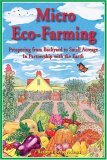 Microfarms—or small acreage farms—are gaining popularity across the country for their astoundingly high yields and great tasting produce, as well as their profitability. Microfarms-tai pienten pinta-ala maatilojen-ovat saamassa suosiota eri puolilla maata niiden astoundingly korkean tuoton ja erittäin maistuva tuottavat, samoin kuin niiden kannattavuus. This handbook reveals the secrets of successful micro eco-farming and explains what eco-farmers need to know to start their own small agribusiness. Tämä käsikirja paljastaa liikesalaisuuksia onnistunut mikro ekologisen maanviljelyn ja selitetään, mitä eko-maanviljelijät tarvitsevat tietää aloittaa omien pienten maaseutuyritysten. Questions such as What can be grown? Kysymyksiä, kuten Mitä voidaan kasvattaa? How do farmers reach their markets? Miten viljelijät päästä niiden markkinoille? and What sustainable production methods can be used? ja Mitä kestäviin tuotanto-menetelmiä voidaan käyttää? are answered in detail and supported be hundreds of real-life examples. on vastattu yksityiskohtaisesti ja tuki on satoja tosielämän esimerkkejä. A variety of unusual uses for crops are also provided, including producing organic spa products, building an urban greenhouse, creating a heritage rose farm, or cultivating a connoisseur apple orchard. Erilaisia epätavallinen käyttötarkoituksiin viljelmät ovat myös muun muassa tuottaa orgaanisia kylpylä tuotteita, rakentaa kaupunkien kasvihuoneilmiö, luoda kulttuuriperintöä kasvoi maatilalla, tai viljelemällä yksi tuntija omenaviljelys. Ecologists, amateur gardeners, farmers, and those interested in sustainable living will enjoy this in-depth look at the spiritually and f inancially rewarding aspects of this new field. Luonnonsuojelijat, amatööri puutarhurit, maanviljelijöitä, ja jotka ovat kiinnostuneita kestävän asuinympäristön saavat tämän syvällisen vilkaisemalla henkisesti ja f inancially palkitsevaa näkökohtia tällä uudella alalla. Read More... Lue lisää ...      | What IS Sustainable Organic Gardening? Mitä on kestävä Luonnonmukainen puutarhanhoito?Sustainability: To meet the needs of the present without compromising the ability of future generations to meet their own needs. Kestävä kehitys: Jos haluat täyttää nykyhetken tarpeet vaarantamatta tulevien sukupolvien mahdollisuudet tyydyttää omat tarpeensa. Jim Kennard puts it this way... Jim Kennard sijoittaa sen tällä tavalla ...
Sustainable gardening is nothing new, in fact, in a way it is simply a restoration of the means by which farmers have grown food for centuries, with a twist of modern innovation. Kestävä puutarhanhoito ei ole mitään uutta, itse asiassa tavalla, joka on yksinkertaisesti palauttamista keinoja, joiden avulla viljelijät ovat kasvaneet ruokaa vuosisatoja, jolloin kierre on nykyaikainen innovaatioita. Sustainable gardening draws its inspiration from ancient farming and gardening practices, tribal and cultural understanding of the local environment, gardeners’ folklore and common knowledge, soil and biological science, and more. Kestävä puutarhanhoito tekee sen inspiraatiota antiikin viljely-ja puutarha-käytäntöjä, heimojen ja kulttuurinen ymmärrys paikalliseen ympäristöön, puutarhuri "kansanperinne ja yhteistä tietoa, maaperän ja biologisten tiede ja paljon muuta. Why Organic Gardening? Miksi Luonnonmukainen puutarhanhoito?As we all move toward living with awareness on this earth, sustainable organic gardening is a skill many of us will cultivate. Whether we grow sprouts on our windowsills, flowers in window boxes, strawberries on the deck, or vegetables in our backyards; have a city block or acres of countryside to farm .... Kuten me kaikki siirtymistä elää tietoisuus tämän maan päällä, kestävä orgaaninen puutarhanhoito on taito monet meistä viljellä. Olipa meillä kasvaa ituja meidän windowsills, kukkia ikkunalaatikot, mansikat ja kannella tai vihanneksia meidän takapihoillemme; on korttelin tai hehtaareja maaseutu maatilalle .... gardening brings us back in touch with the processes and cycles of the earth in a way no other domestic activity can. puutarhanhoito vie meidät takaisin kosketusta prosessit ja sykliä maan tavalla, ei ole muuta kotimaan toiminta voi. Organic gardening can also provide a significant portion of our food. A home garden can yield two to four times more food per acre than any commercial agriculture; in a single season the average home garden can provide over six hundred dollar’s worth of food. We can increase that yield further with raised beds and biointensive organic gardening methods. Luonnonmukainen puutarhanhoito voi myös tarjota merkittävää osaa ruokaa. A kotipuutarha voi tuottaa kahdesta neljään kertaa enemmän ruokaa per acre kuin mikään kaupallinen maatalous; yhdellä kertaa kauden keskimääräinen kotipuutarha voi tarjota yli kuusisataa dollarin arvosta ruokaa. Voimme lisätä, että tuotto edelleen kohollaan sängyt ja biointensive orgaaninen puutarhanhoito menetelmiä. Of even greater value is the quality of the food itself... Vieläkin suurempi arvo on elintarvikkeiden laadun itse ... fresher, tastier, and more nutritious. tuoreempaa, maukkaampia, ja ravitsevaa. Whether you grow food, flowers, grass, or trees, you can garden the sustainable way with methods based on an understanding of how nature creates healthy plants. Olitpa kasvaa elintarvikkeita, kukkia, ruohoa, tai puita, voit puutarha kestävällä tavalla menetelmiä, jotka perustuvat yhteisymmärrykseen siitä, miten luonto luo terveitä kasveja. The ultimate goal of sustainable gardening is to have a healthy living plant/soil ecosystem that does not need added pesticides of any kind, artificial or natural. Lopullisena tavoitteena on kestävä puutarhanhoito on, että terveellinen elinympäristö kasvien ja maaperän ekosysteemin että ei tarvitse lisätä torjunta-aineiden mitään keinotekoista tai luonnollista. Sustainable gardening uses natural biological methods to build soil fertility and healthy, insect-resisting plants. Kestävä puutarhanhoito käyttää luonnon biologisia menetelmiä, joiden avulla voidaan rakentaa maaperän hedelmällisyys ja terve, hyönteisen vastustavat kasveja. The needed raw materials are taken in a sustainable way from local plant and mineral sources. Tarvittavat raaka-aineet otetaan kestävällä tavalla paikallisten kasvi-ja kivennäis-lähteistä. In many ways our gardens are microcosms of agricultural methods; the same pesticides and fertilizers used by agribusiness are on our local nursery shelves, in smaller bottles with prettier labels. According to the National Academy of Sciences, "Suburban gardens and lawns receive heavier pesticide applications than most other land areas in the United States," including agricultural areas. Monin tavoin meidän puutarhat ovat mikrokosmoksissa maatalouden menetelmiä, ja samalla torjunta-aineita ja lannoitteita käytetään maaseutuyritysten on meidän paikallinen lastentarha hyllyt, pienissä pulloissa on kauniimpi etiketit. Mukaan National Academy of Sciences, "Suburban puutarhoissa ja nurmikoilla saada raskaampaa torjunta-sovellukset kuin useimmissa muissa maa-alueita, Yhdysvallat, "mukaan lukien maatalous-alueilla. When we use pesticides and fertilizers in our gardens, the problem is not only with residues in our food; we also contaminate the land in our own yards, pollute our own water, and create invisible clouds of poison in our own air. Kun käyttää torjunta-aineita ja lannoitteita meidän puutarhat, ongelma ei ole vain jäämiä ruokamme, tarvitaan myös saastuttaa maan omien telakoiden saastuttaa omaa vettä, ja luoda näkymätön pilvet myrkkyä omassa ilmassa. A 1987 study under the auspices of the National Cancer Institute found that children who lived in households where outdoor pesticides were regularly used were six to nine times more likely to develop some forms of childhood leukemia; the figure increased four times when indoor pesticides were regularly used. A 1987 tutkimuksen alaisuudessa National Cancer Institute todettiin, että lapset, jotka asuivat kotitalouksissa, joissa ulkona torjunta-aineet olivat säännöllisesti käytetty kuusi yhdeksän kertaa todennäköisemmin kehittää joitakin muotoja lapsuuden leukemia, ja luku kasvoi neljä kertaa, kun sisäilman torjunta-aineet olivat säännöllisesti käytetty . In addition, our children or pets can accidentally ingest stored pesticides, with possibly fatal results. Lisäksi meidän lapsia tai lemmikkejä voi vahingossa nielemään tallennettu torjunta-aineita, joilla mahdollisesti vakavin seurauksin. "Gardening is civil and social, but it wants the vigor and freedom of the forest and the outlaw." "Puutarhanhoito on siviili-ja sosiaalisia, mutta se haluaa, että elinvoima ja vapaata metsässä ja kieltää." - Henry David Thoreau - Henry David Thoreau Varieties of Sustainable Gardening Lajikkeet kestävän PuutarhanhoitoWhile all organic gardening is based on fundamental methods, various schools of sustainable gardening have developed which have specialized views. Vaikka kaikki orgaaninen puutarhanhoito perustuu perustavaa menetelmiä, eri koulujen kestävän puutarhanhoito on kehitetty, jotka ovat erikoistuneet näkemyksiä. Each of the following has made their own contribution to this diverse practice. Jokainen seuraavista on antanut oman panoksensa tähän erilaisia käytäntöjä. Organic Gardening focuses on creating a healthy garden, with the foundation being to "feed the soil, not the plant." Gardeners view the garden as a mini eco-system to be maintained through returning plant wastes to the soil via composting and using physical and biological methods to control pests. Luonnonmukainen puutarhanhoito keskitytään luomaan terveen puutarha, jonka perusta oli "rehun maaperän, ei kasvia." Puutarhurit lukemaan puutarha kuin mini ekosysteemille on säilytettävä kautta palaavat kasvien jätteet maaperän kautta kompostointi ja käyttämällä fyysistä ja biologisia menetelmiä, joiden avulla voidaan valvoa tuholaisia. Fukuoka Farming leaves almost everything to Nature: no tillage, no fertilizer, no pesticides, no weeding, and no pruning. Fukuoka Farming lähtee lähes kaiken Luonto: ei maanmuokkaus, ei lannoitetta, ei torjunta-aineita, ei rikkakasvien, eikä leikkaus. His approach is intended to be "free of human meddling and intervention," and allowing Nature to revert to its own ways. Hänen lähestymistapansa on tarkoitus olla "vapaan ihmisen sekaantuu ja interventio" ja mahdollistaa Luonto palata omaan tavoin. Biointensive (aka French Intensive) Gardening methods were developed in the United States by Alan Chadwick. They are a cross between Rudolph Steiner’s biodynamic method and the intensive market-garden systems used around Paris at the turn of the 20th century. Biointensive (alias ranskan intensiivikurssi) Puutarhanhoito menetelmiä kehitettiin Yhdysvalloissa Alan Chadwick. Ne ovat rajat välillä Rudolph Steinerin biodynaamiset menetelmän ja intensiivinen markkina-puutarha järjestelmät, joita käytetään noin Pariisissa vaihteessa 20-luvulla. Raised, cultivated beds are used to grow a lot of food in a small area—two to ten times more than what conventional mechanized agriculture can grow. Esille, viljellyt vuodetta käytetään kasvaa paljon ruokaa pienen pinta-kaksi-kymmenen kertaa enemmän kuin mitä tavanomainen koneelliset maatalous voi kasvaa. To grow food this way takes one-third to one-thirtieth the water and one one-hundredth the human and mechanical energy needed for more common methods. Kasvaa elintarvikkeiden Tällä tavoin otetaan yksi kolmasosa yksi kolmaskymmenes vesi-ja yksi sadasosa ihmisen ja mekaanisen energian tarvitaan enemmän yhteisiä menetelmiä. Biodynamic Gardening was originally developed by the scientist-philosopher Rudolph Steiner in the 1920s. Biodynaamiset Puutarhanhoito on alun perin kehitetty, että tiedemies-filosofi Rudolph Steiner, että 1920-luvulla. Literally meaning "forces of life," biodynamics considers the soil to be the foundation of health for plants, animals, and humans. Kirjaimellisesti tarkoittaa "voimia elämän" biodynamics katsoo, että maaperä on perusta terveyden kasveihin, eläimiin ja ihmisiin. Special compost preparations and sprays are used to enhance the biological life of the soil. Erityistä komposti valmisteet ja suihkeita käytetään tehostamaan biologisen elämän maaperään. In Europe, biodynamically grown food is considered to be among the best. The shelf life and flavor of vegetables is better, and animals have a preference for biodynamically grown grain when given a choice. Biodynamic methods have been used to regenerate over 1 million acres of farm and ranch land in Australia. Euroopassa, biodynamically viljelty ruoka on pidettävä joukossa paras. Kestoaika ja maku vihanneksia on parempi, ja eläimet ovat suosivat biodynamically viljellään viljaa, kun sitä annetaan valinnan mahdollisuus. Biodynaamiset menetelmiä on käytetty uudistavat yli 1 miljoonaa hehtaareja maatila-ja karjatila maa Australiassa. Permaculture Short for "permanent agriculture", permaculture is a way of designing and maintaining farms and gardens (or whole communities) that have the diversity, stability, and resilience of natural ecosystems. This involves an integrated approach in which, as in nature, plants, animals, land, people and houses all serve to support a multi-use ecosystem that provides food, energy, shelter, and other material and non-material needs in a sustainable way. Permaculture Short for "pysyvä maataloutta", permaculture on tapa suunnitella ja ylläpitää maatilat ja puutarhat (tai kokonaisia yhteisöjä), jotka ovat monimuotoisuuden, vakaus ja sietokyky luonnon ekosysteemeihin. Tämä edellyttää yhtenäistä lähestymistapaa, joka, kuten luonnossa, kasvien , Eläimet, maa, ihmiset ja taloa palvelevat tukea usean käyttö ekosysteemi, joka sisältää elintarvike-, energia-, suojia ja muita aineellisia ja aineettomia tarpeet kestävällä tavalla. Permaculture provides a framework in which many organic methods can be integrated, including incorporating ways to store rainfall and create microclimates to increase available land on which useful crops can be grown. Permaculture tarjoaa puitteet, joissa useita orgaanisia menetelmiä voidaan yhdistää muun muassa sisällyttämällä tapoja tallentaa sademäärä ja luoda microclimates lisätä saatavilla tontin, jolla hyödyllisiä kasveja voidaan viljellä. It also involves using tree crops, forest agriculture, edible landscaping, biological pest control, organic-waste recycling and water/energy efficiency to their fullest potential by working with, not against, nature. Se liittyy myös käyttämällä puu kasvit, metsä maatalous, syötävä maisemointi, biologinen tuholaisten torjunta, orgaanisen jätteen kierrätystä ja vesi / energiatehokkuus täyden mahdollisuuksien kanssa, ei sitä vastaan, luonto. Permaculture design begins with a set of ethics that say Permaculture suunnittelu alkaa joukko etiikka, jotka väittävät, että
This ethic is coupled with a determination that we should "make our own way: to be neither employers nor employees, landlords nor tenants, but to be self-reliant as individuals and to cooperate as groups." Its basic philosophy is one of "working with rather than against nature; of protracted and thoughtful observation rather than protracted and thoughtless action; of looking at systems and people in all their functions, rather than asking only one yield of them; and of allowing systems to demonstrate their own evolutions." Tämä etiikan ohella vakaasti sitä mieltä, että meidän pitäisi "tehdä omat tavalla: ei ole työnantajia eikä työntekijöitä, jotka vuokranantaja tai vuokralainen, mutta on omatoimisille yksilöinä ja tekemään yhteistyötä ryhmissä." Sen perusfilosofia on yksi "working : n sijasta vastaan luonne; pitkiä ja harkittuja huomio sijaan pitkiä ja harkitsematon toiminta; tarkastella järjestelmien ja ihmisten kaikki toiminnot, kuin pyytämällä vain yksi sato niitä, ja mahdollistaa järjestelmien osoittaa omaa kehitystä. " Instead of asking "What can I get from this land, or person?" Sen sijaan, että kysyvät "Mitä voin saada tätä maata, tai henkilö?" the question becomes "What does this person, or land have to give if I cooperate with it?" Kysymys "Mitä tämä henkilö tai maa on annettava, jos minulla yhteistyötä sen kanssa?" English Cottage Gardens developed in pre-supermarket England, out of the necessity of cottagers to produce fruit, flowers, vegetables, and herbs (including plants for home-brewing and wine-making and medicinal herbs) in a compact space. Englanti Cottage Gardens kehitetty ennalta-supermarket Englannissa, pois tarvetta Cottagers tuottaa hedelmiä, kukkia, vihanneksia ja yrttejä (mukaan lukien kasvit kotona Oluen ja viinin päätöksenteon ja lääkkeiden yrtit) on kompakti avaruudessa. These highly efficient gardens are models of land use that is both practical and charming. Nämä erittäin tehokas puutarhat ovat malleja maankäytön, joka on käytännöllinen ja viehättävä. Within the confines of simple but strict garden paths, plants intermingle abundantly, the result of much care and soil cultivation. Rajojen puitteissa yksinkertainen, mutta tiukka puutarha polkuja, kasveja sekoittua täysin, tuloksena paljon hoitoa ja maaperän viljely. Finding Your Own Method You will find your own way as a gardener as you begin to get to know your own garden and your own heart. Etsi Oma Menetelmä Löydät omat tavalla kuin puutarhuri, kun alkaa saada tietää oma puutarha ja oma sydän. Sustainable gardening is about doing what works for you and your garden, not reproducing what was right for someone else in their garden. Look to others for ideas, but ultimately, listen to your own garden. Kestävä puutarhanhoito on noin tekee, mikä toimii sinulle ja puutarha, ei toistolaite, mikä oli oikein, että joku muu heidän puutarhassa. Katso muita ideoita, mutta loppujen lopuksi kuunnella oma puutarha. Nature does have manure and she does have roots as well as blossoms, and you can't hate the manure and blame the roots for not being blossoms. Luonto ei ole lannan ja hän ei ole juuria sekä Kukkii, etkä voi vihata lannan ja syyttää juuret, etten ollut Kukkii. - Buckminster Fuller - Buckminster Fuller See more about soil ph here... Soil pH Katso lisätietoja maaperän puh täällä ... Maaperän pH | Search on Haku |
